

Hajj 2026 Guide: Essential Tips, Dates, Requirements & Preparation for Pilgrims
New
Overview
Description
🕋 Hajj 2026: What Every Pilgrim Should Know
Planning your sacred journey for Hajj 2026? With millions of pilgrims expected to gather in Saudi Arabia, early preparation, awareness of regulations, and careful attention to health and logistics are key. Here’s a clear, structured summary of the key points pilgrims need to know:
Key Dates
- Hajj 2026 is expected to begin on Monday, May 25, and continue until Saturday, May 30.
- The most important day, the Day of Arafah, will likely fall on Tuesday, May 26, followed by Eid Al Adha on Wednesday, May 27.
Who Must Perform Hajj
- Hajj is the fifth pillar of Islam and is obligatory for every Muslim who is physically and financially capable of undertaking the journey at least once in their lifetime.
- The requirement applies only to Muslims who are adults, mentally sound, and able to afford the journey without causing hardship to their families.
Types of Hajj
- Hajj Tamattu — the most common form; pilgrims perform Umrah first, temporarily exit Ihram, then re-enter it for Hajj. Recommended for first-timers.
- Hajj Qiran — Umrah and Hajj are performed together without leaving the sacred state.
- Hajj Ifrad — only the Hajj rituals are performed, without Umrah.
The Rituals — Step by Step
- It begins with entering Ihram — a sacred state of intention — before reaching Mecca.
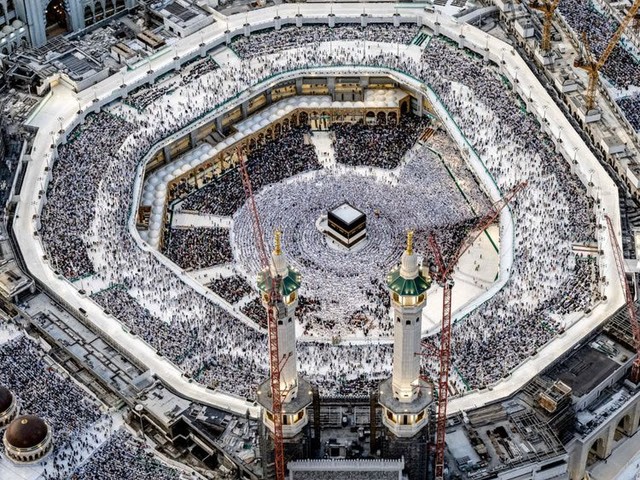
- Pilgrims perform Tawaf: circling the Kaaba seven times, counter-clockwise.
- Next comes Sa’i: walking seven times between the hills of Safa and Marwa, commemorating Hajar’s search for water for her infant son.
- Then pilgrims head to Mina, a tent city, to spend a night in prayer and rest.
- The spiritual peak is the Day of Arafah, when pilgrims gather on the plains in prayer and reflection — missing this day invalidates the Hajj.
- Pilgrims then spend the night in Muzdalifah, collecting small stones for the symbolic stoning of the Jamarat, representing the rejection of evil.
- The final days include ritual stoning, animal sacrifice, and the shaving or trimming of hair to mark spiritual renewal.
Physical & Health Preparation
- Pilgrims will walk 5 to 15 kilometres every day under the hot sun, moving between Mecca, Mina, Arafat, and Muzdalifah.
- The meningococcal vaccine is mandatory for all pilgrims and must be administered at least 10 days before travel.
- The seasonal influenza and COVID-19 vaccines are strongly recommended.
- Saudi Arabia has outlined conditions that may disqualify individuals, including advanced kidney failure, severe heart failure, liver cirrhosis, serious mental illness, dementia, and pregnancy in the final trimester.
The Nusuk Card — A Must-Have Document
- All registered pilgrims must carry the Nusuk Card — the sole official document recognised in Saudi Arabia confirming a pilgrim’s identity and legal authorisation to perform Hajj.
- It stores personal information, medical records, accommodation addresses, and organises bus boarding and group transfers across the holy sites.
- Pilgrims can access a digital version through the Nusuk app or, for Saudi residents, through the Tawakkalna app.
What to Pack
- Pack lightly but wisely: Ihram, comfortable worn-in sandals, medications, unscented soap, a sleeping bag for the cold night at Muzdalifah, and a small backpack.
Saudi Arabia’s Preparations
- Crown Prince Mohammed bin Salman has directed authorities to deploy all operational, security, and preventive capabilities to ensure the highest standards of service across holy cities and pilgrimage sites.
- Saudi Arabia’s Ministry of Hajj and Umrah has finalised a transport plan using advanced technology to manage movement and ensure pilgrim safety throughout the journey.
🔗 Useful Links





Leave feedback about this